Scrum is the most popular Agile methodology used by development teams. Scrum is a term borrowed from the game of rugby as a metaphor for teamwork. In a rugby scrum, team members lower their heads, interlock arms, and push and pull together to achieve a shared goal: possession of the ball.
A development team using the Scrum approach works together to quickly release functional software in short iterations (two to four weeks each). To help teams to stay on track and deliver value quickly, the Scrum framework includes the following crucial elements:
- Artifacts: Scrum artifacts include the information that stakeholders and the team use to understand what needs to be done to develop the product.
- Roles: The Scrum framework includes three main roles:
- Scrum master: Responsible for ensuring the team works efficiently and effectively.
- Product owner: Makes sure that the team is aligned with product goals.
- Development team: The people who do the hands-on work to create the product.
- Rules: The rules are what help to optimize and streamline the development process. For example: Sprints are two to four weeks in duration, every sprint produces working software or added value, and there are no breaks between sprints.
- Events: Events such as sprint planning, daily standup meetings, and product increments create regularity throughout the sprint cycle.
This article focuses on Scrum artifacts and how they help you to provide transparency and key information to ensure that your team and stakeholders are on the same page. Operating under aligned understanding of Scrum terminology also creates alignment on what your product is and what it will be.
In addition to the definitions for each artifact (which are critical to adhere to in order to properly practice Scrum), you will find relevant templates which you can collaborate on, edit, and use within your team to manage your entire Scrum process.
What are Scrum artifacts?
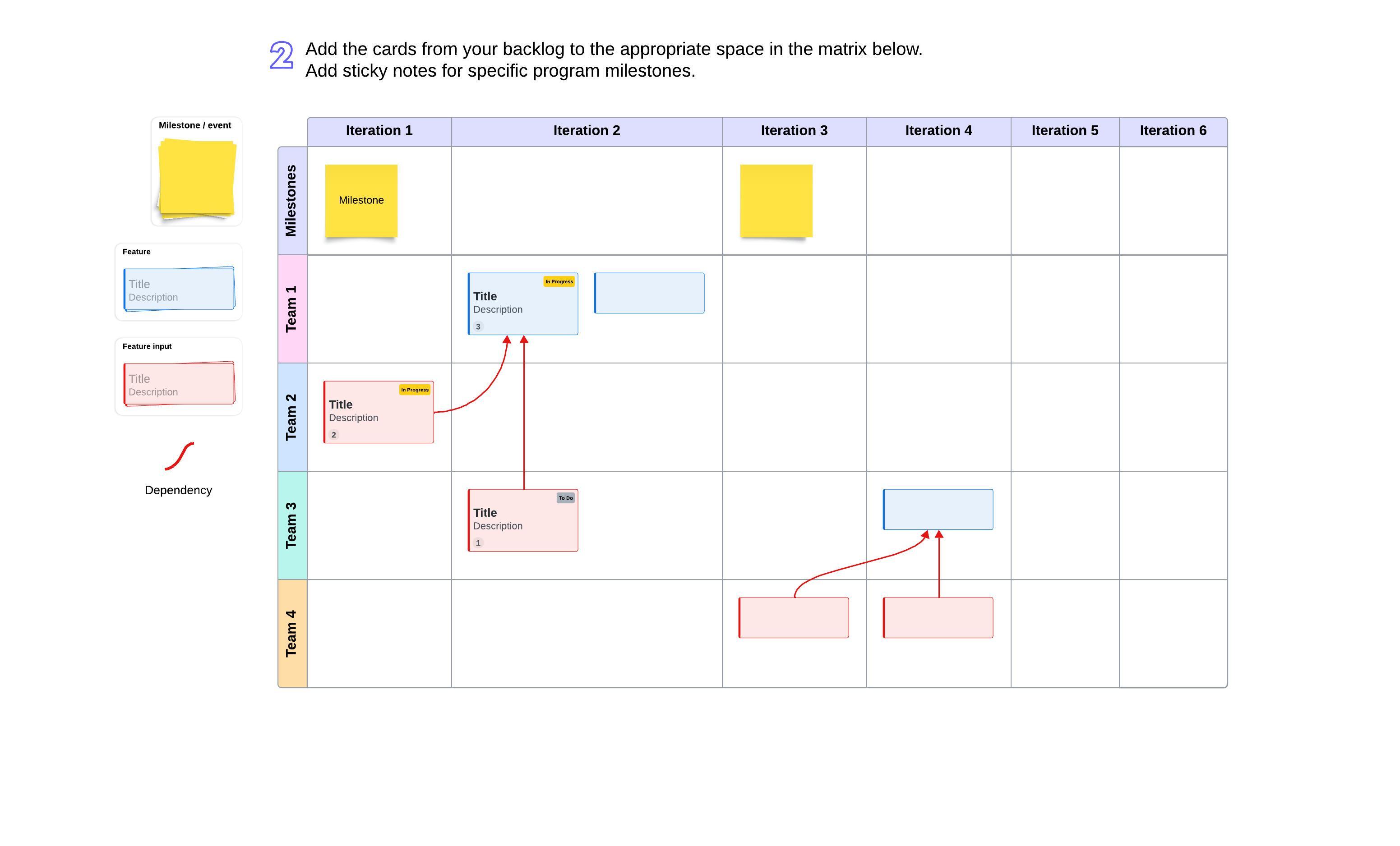
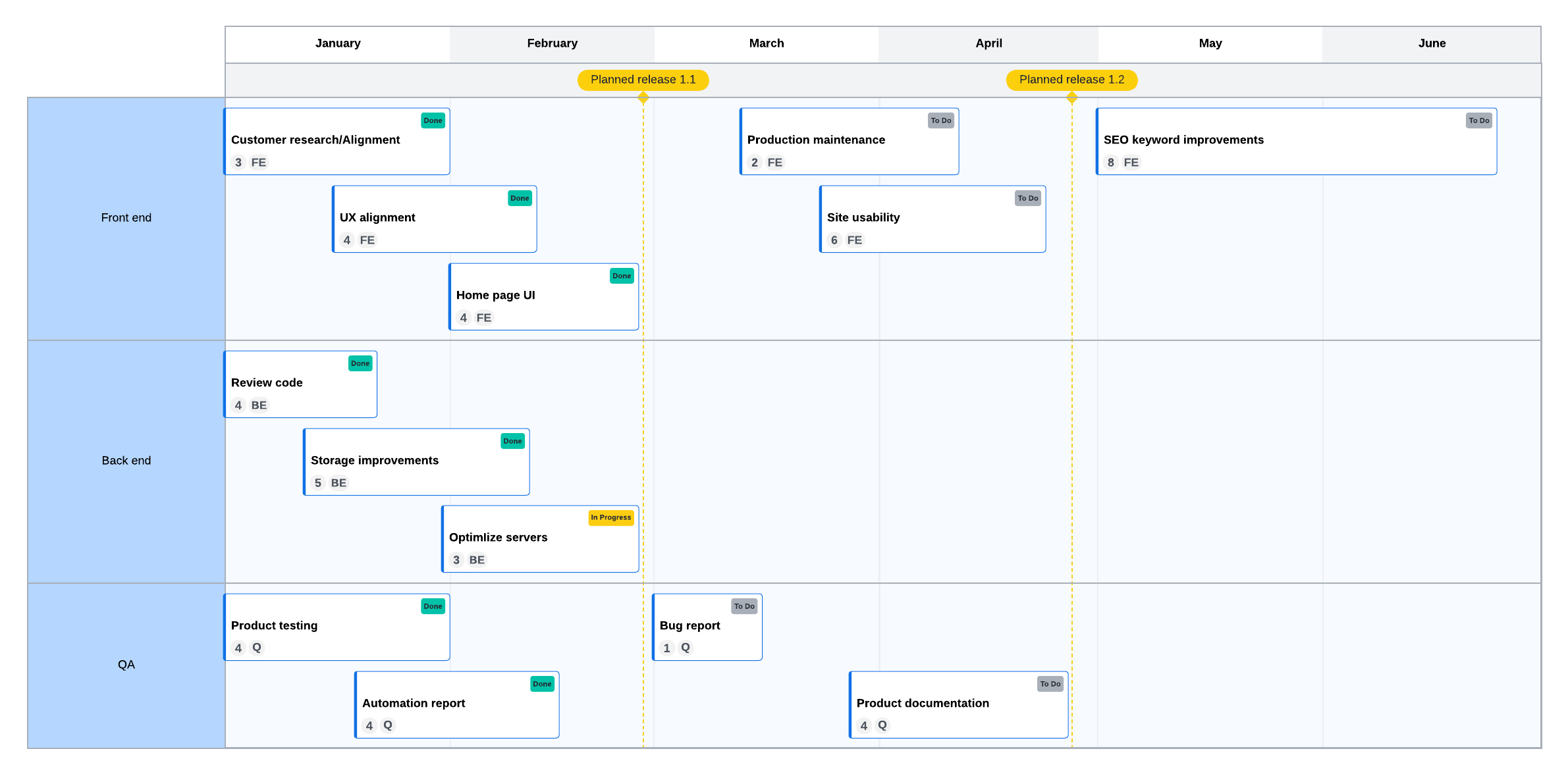
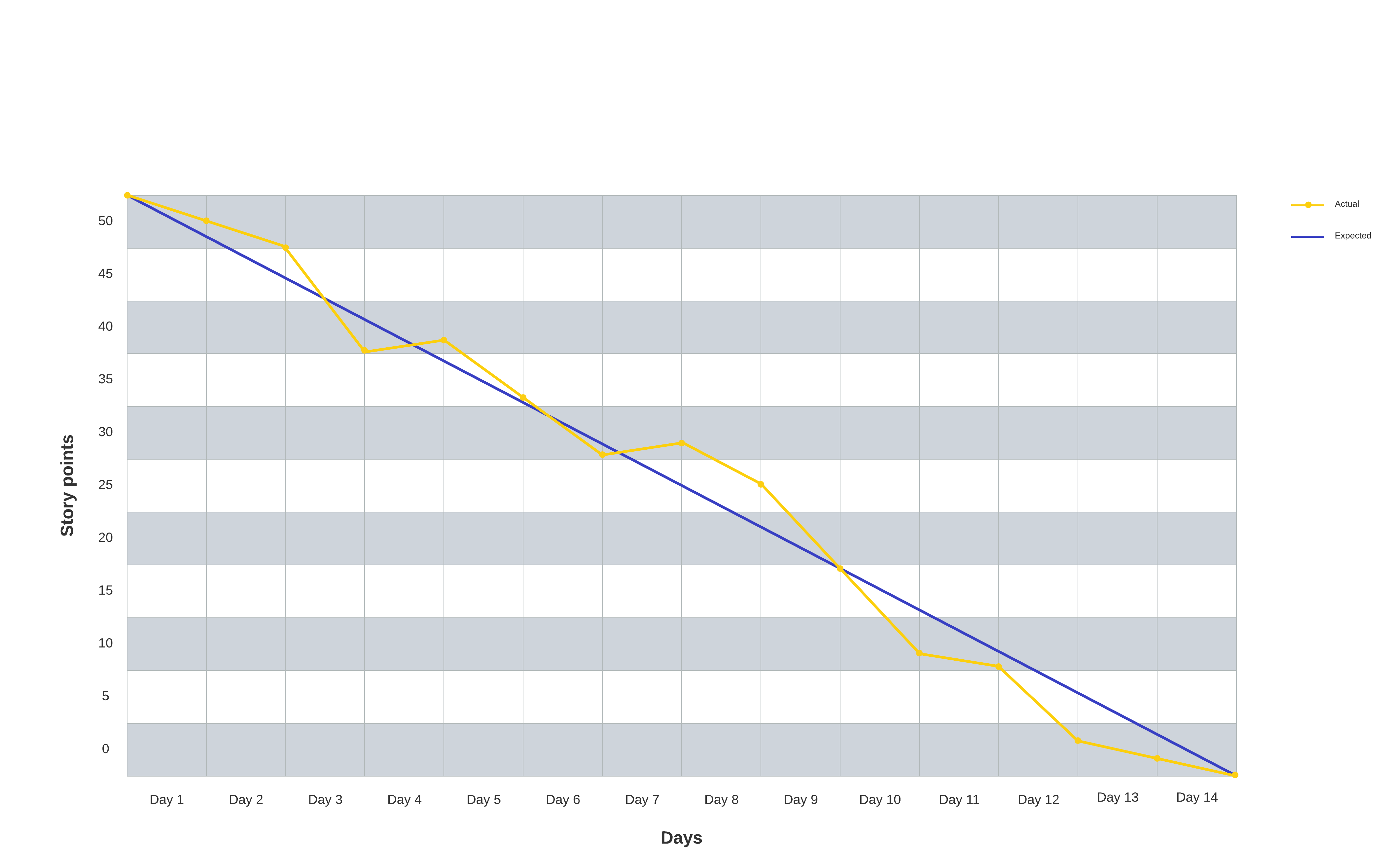
Scrum artifacts refer to the detailed documentation of the concepts and information that the team and stakeholders use to develop products in an Agile environment. This documentation can be textual, visual (such as workflows, processes, burndown charts, kanban boards), or often both.
The artifacts need to be accessible and available to everybody involved in the project. This is especially true for distributed and hybrid teams, so everybody understands where the product is and where it is going.
There are three main Scrum artifacts that are critical to every Scrum team: product backlog, sprint backlog, and product increment.
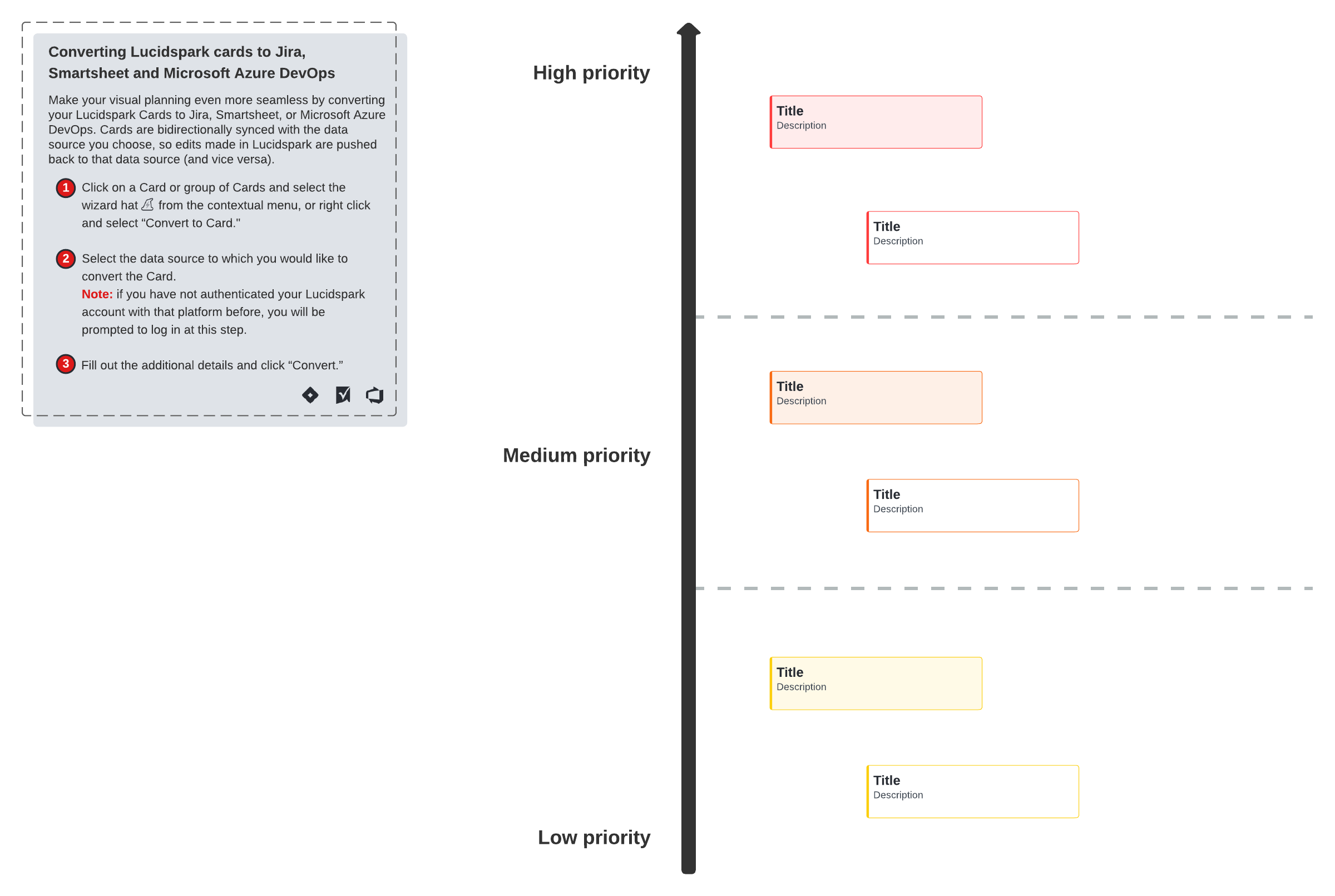
Product backlog
The product backlog is like a “to-do” list. It includes the work that needs to be done on the product. The work is broken down into individual items or tasks that can be completed in a single sprint, with the highest-priority items at the top. The product owner and team members hold regular refinement sessions to review the backlog, reprioritize items, remove irrelevant items, and add new items to keep the work flowing.
The product backlog is a living document that changes often. The goal is to continually add value to a product, meaning that you shouldn’t think of the backlog as something you need to empty. Nobody should be working on anything that is not in the product backlog.
This product backlog template from Lucidspark includes everything you need to create and manage a healthy product backlog.