Much of your day is spent subconsciously and consciously solving problems. It’s second nature to you. So much so that, when problems arise at work, you likely have your own methods of tackling them. But there will come a time when you encounter a problem and realize your methods for solving it don’t match the methods other people are using. Suddenly, your team or your business is facing a large challenge, and team members are pinballing in dozens of directions attempting to solve it, creating more chaos and prolonging the solution.
This is what happens without having a problem-solving process. A cohesive problem-solving process needs to be defined and must include identifying the problem, gathering potential solutions, deciding on one of them, and implementing that solution. Without agreeing on a specific problem-solving process, your company will struggle to choose a solution, lack innovative solutions from which to choose, and ultimately create more problems than it solves.
But a company that has standardized its problem-solving is able to be lean, rise to pivots in the market, and improve business value over time. We’ll teach you the components of problem-solving and give you techniques to implement a process in your own business.
6-step problem-solving process
While your preferred method for solving problems may involve more or fewer steps, these six components comprise the backbone of any good process.
1. Identify and define the problem
This step seems like the most basic but can actually be the most surprising part of the process. Without agreeing on what the problem is, there’s no way to actually fix it. And sometimes, it may appear that you have one issue when the root of the problem is something else entirely.
- Write down the problem. It’s not enough to just state it aloud.
- Get granular. List everything known about the issue, from when it began to how broad it is.
- List the problem’s cascading effect to understand how broad of an issue you face.
2. Generate possible solutions
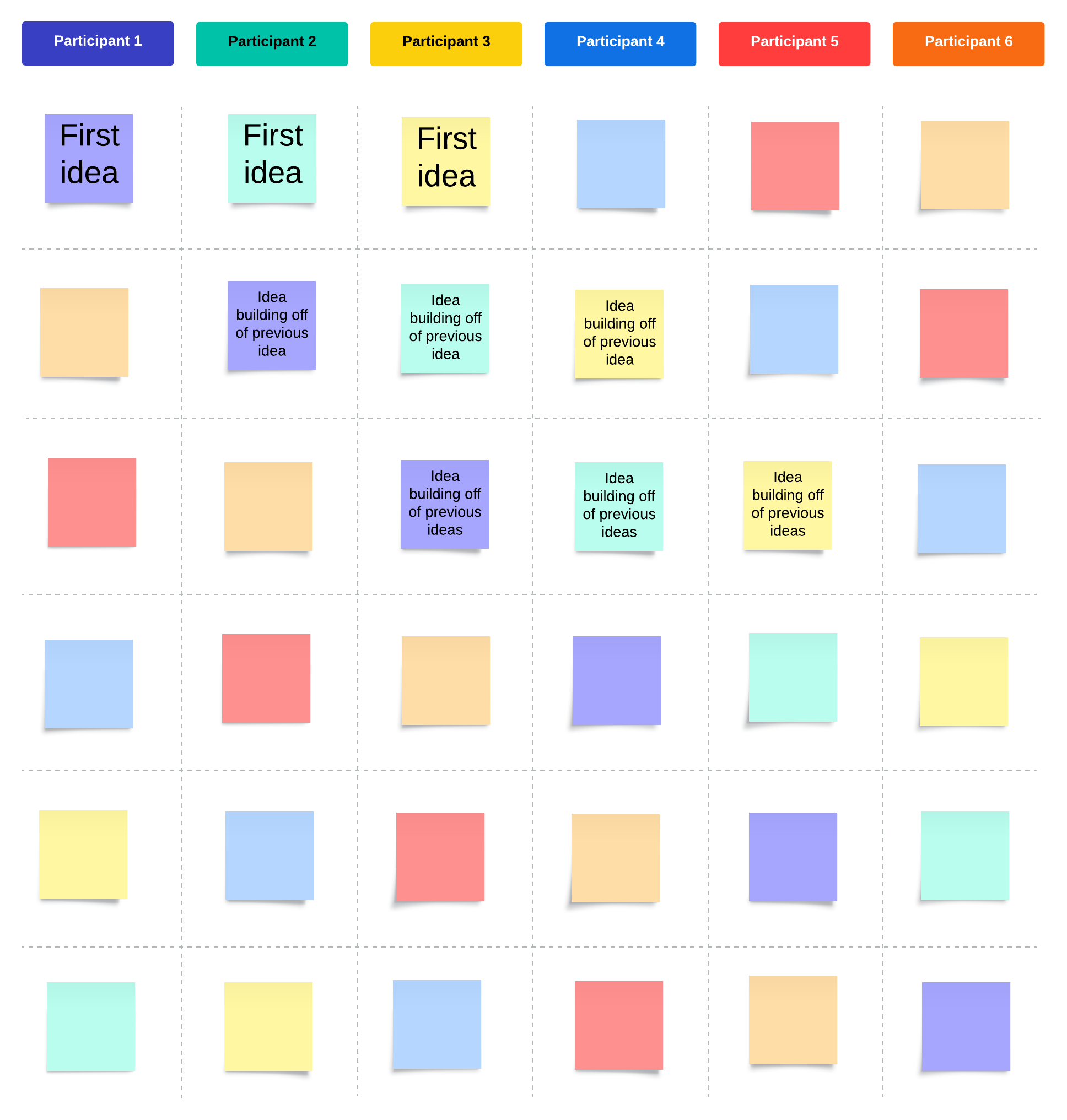
Get brainstorming. Start talking. Think big.
- Start by brainstorming in Lucidspark. If you want to get started quickly, we can help! We offer dozens of ready-to-use brainstorming templates. Just choose a template, gather your team, follow the directions, and go from there.
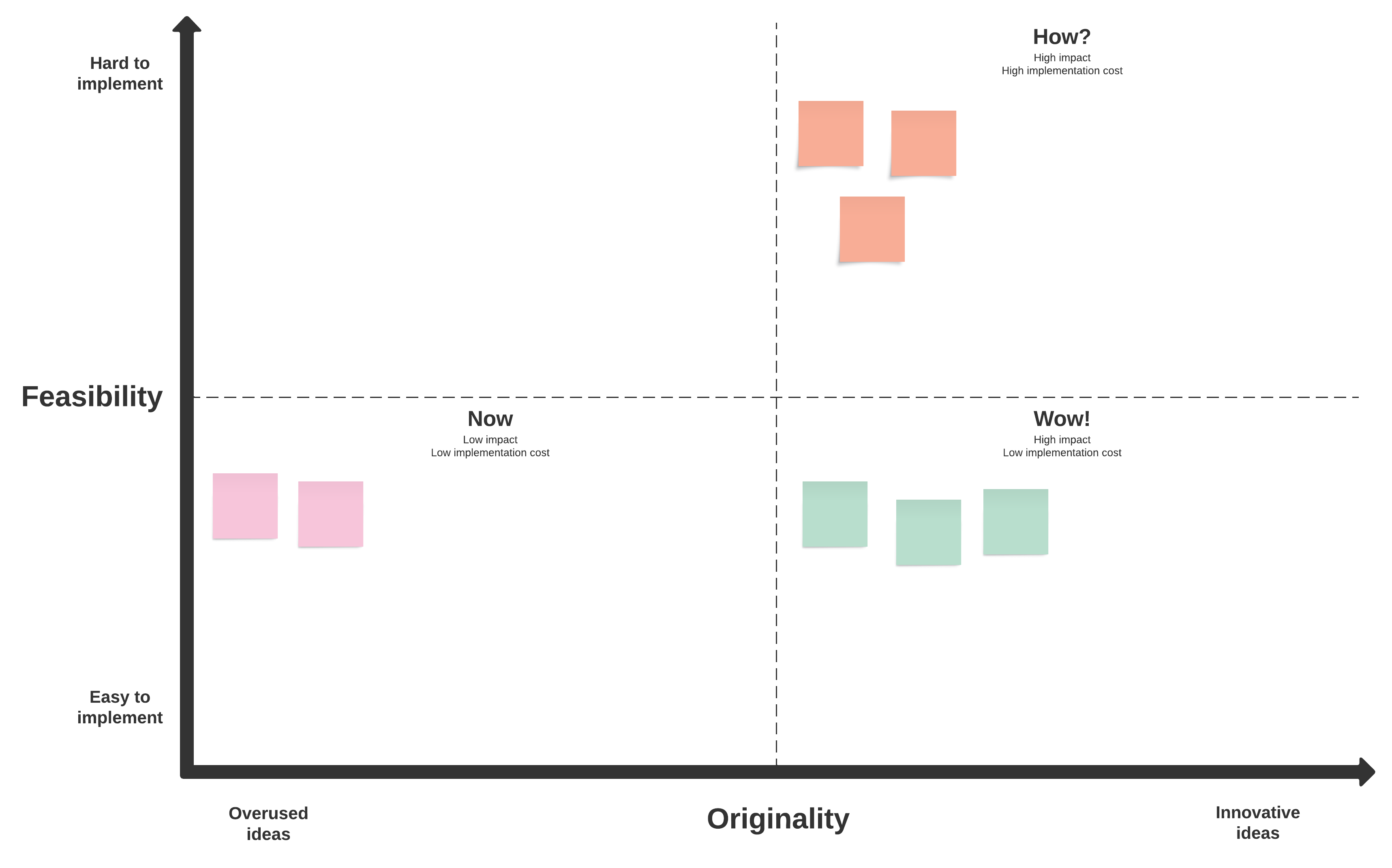
- Narrow down your solutions to the best few.
3. Evaluate alternatives
Before settling on the solution, make sure that you’ve examined all angles.
- Widen the response base. Consider soliciting solutions from beyond your own team to gather a different perspective.
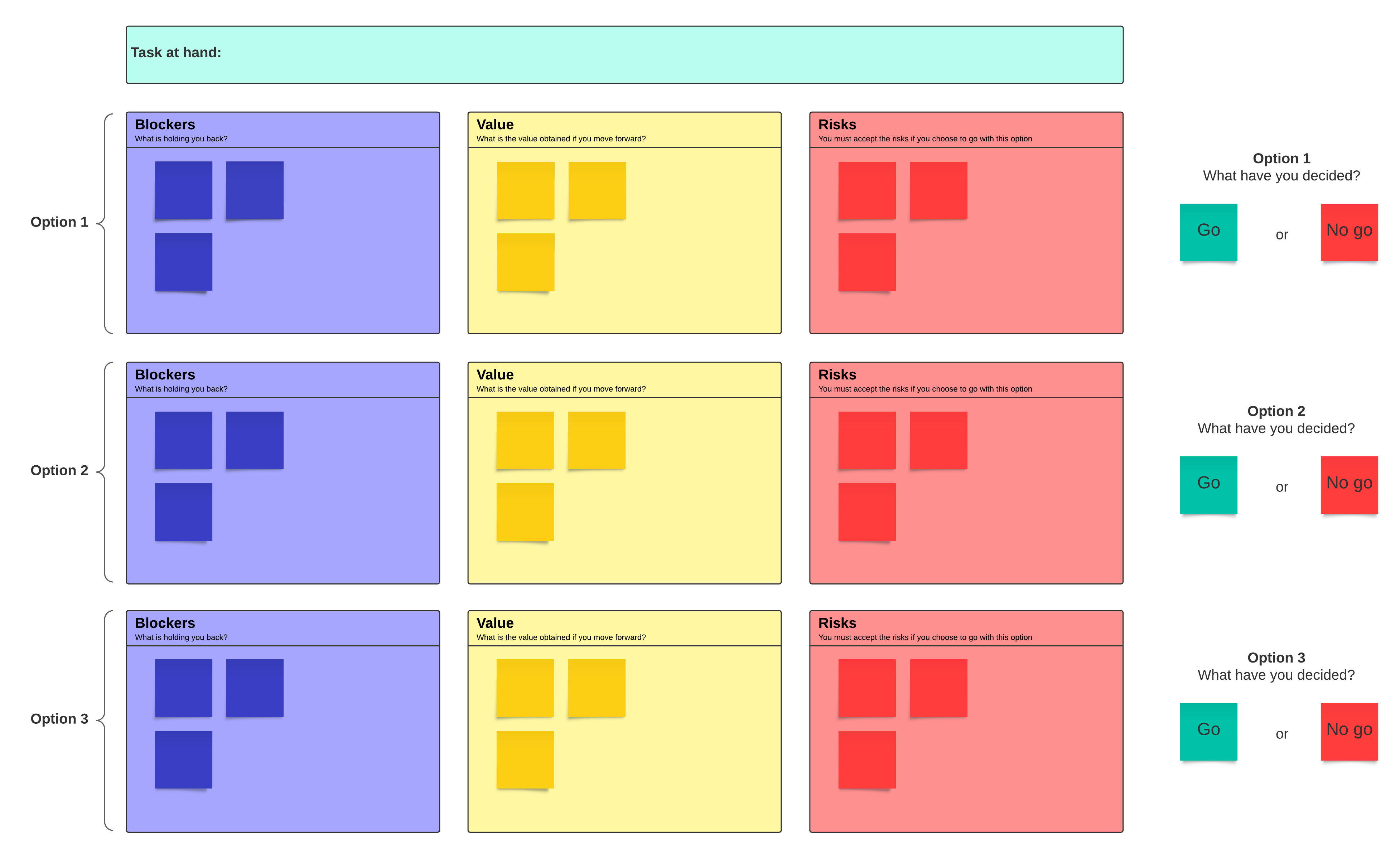
- Carefully weigh the options against each other. What are the risks of each? What are the benefits? Is there a clear winner?
4. Decide on a solution
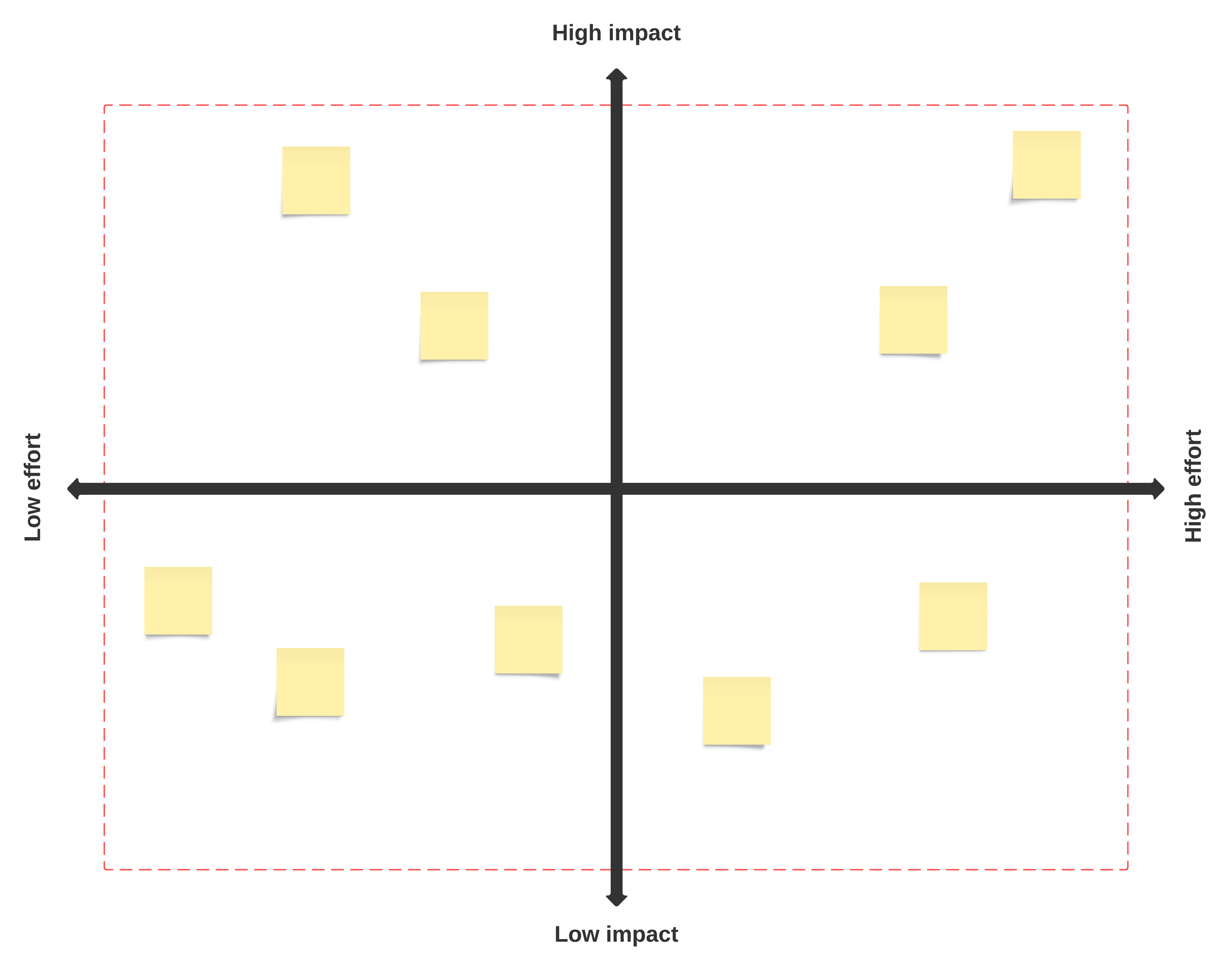
This can be done by voting or by simply measuring the benefits of each solution proposed.
- Prepare to back up your choice with metrics. Data goes a long way in getting stakeholders on board.
- Detail what you expect the solution to achieve. Why are you taking this approach, and what will the perfect implementation look like?
- Determine what success will look like with this solution. How will you measure it?
Consider using a decision-making matrix template (like the one below) to help with this step.